Hello, Trailhitters! This is your day, so up and away!
Midwinter is a fine time for tall tales. The wind is howling, the snow is deep, and somebody at the table is sure to say, “Did you know that porcupines can shoot their quills?”
Don’t you believe it. Today we go myth hunting, and I’ll start by owning up to one of my own.
The horsehair that didn’t turn into a snake
When I was a boy, I pulled a hair from a horse’s tail and put it in water. I was sure that in a few days it would turn into one of those thin, wriggling creatures folks called hair snakes. It never did, and I believed it anyway.
“Now that I [know] this childhood tale is a fancy, and am acquainted with the life history of that squirming thin creature, I think the real story, the one I know now, is far more wonderful than the belief of childhood.”
From Don’t You Believe It, Afield with Ranger Mac, Jan. 13, 1941
That’s the whole secret of myth hunting. The true story is almost always better than the tall tale.
Toads and warts
Plenty of children still think that touching a toad gives you warts. It doesn’t, and a child who believes it misses out on a good friend. A toad in your garden eats a great many insects. That’s a neighbor worth having.
More tall tales to bust
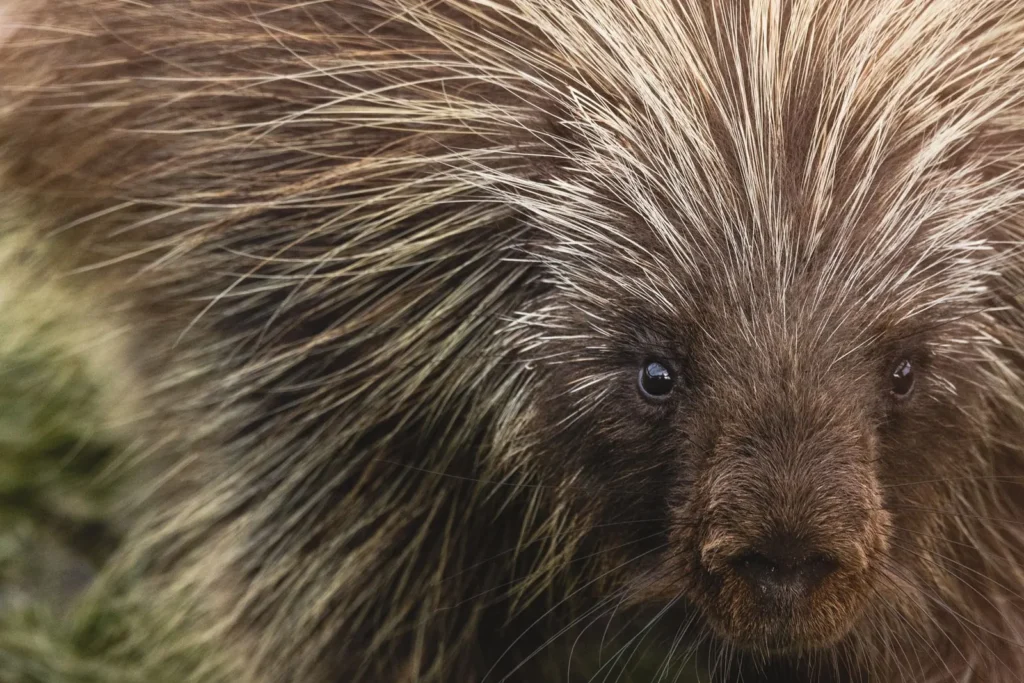
Porcupines throw their quills
They don’t. A frightened porcupine raises its quills so it bristles all over, and it may slap with its tail. Quills come loose easily and stick in whatever touches them, but the porcupine can’t fire them at you.
Blind as a bat
Anyone who has watched a bat dart between branches at top speed knows better. Bats can see, and they find their way in the dark mostly by listening.
Snakes are slimy
If you ever get to touch a snake at a nature center, you’ll find the scales are perfectly dry. (Leave wild snakes alone.) And that flicking tongue isn’t a stinger. The snake is using it to find out what is going on around it.
A big muskrat house means a hard winter
The muskrat is smart, but not that smart. The size of the house depends on how much building stuff is close at hand and how many muskrats will live in it.
I told one too
In that same broadcast I talked about the great crested flycatcher, a bird that likes to tuck an old snakeskin into its nest. Then I couldn’t resist:
“[But] I might add that when the fledglings come out of the eggs, the first thing they behold is this snakeskin. In fright, the feathers on the top of their heads stand on end, and they remain in that position throughout lifetime. You can believe that if you want to.”
From Don’t You Believe It, Afield with Ranger Mac, Jan. 13, 1941
I hope nobody did. That crest grows that way, fright or no fright.
Today we know
- Warts come from a virus, passed from person to person, not from toads. A toad’s bumps are glands that make a bitter liquid so animals spit it out. Wash your hands after you hold one.
- Hair snakes are real worms. Horsehair worms live in water as adults. Their young grow up inside insects such as crickets.
- Bats use echoes. In 1941 I guessed bats felt the air pressure near things. Around that time, scientists found the real answer: many bats make high squeaks and listen for the echoes bouncing back. We call it echolocation.
- Snakes smell with their tongues. The tongue picks up tiny bits of scent and carries them to a sensing spot in the roof of the mouth. Snakes have no outside ears, but they do have inner ears and feel vibrations through the ground.
Your job this week
- Ask three people at home or school for a nature “fact” they have always heard.
- Pick one. With a grown-up, check it in a library book or on the website of a museum or state nature agency.
- In your scrapbook, write two lines for it: “The tale” and “The real story.”
- Now write a tall tale of your own, like my flycatcher story. Label it a tall tale so nobody believes it by mistake.
Wondering and finding out: that’s the best kind of fun there is.
I’ll be seeing you on the trail.
Written in Ranger Mac’s voice by the rangermac.org team, from his radio script Don’t You Believe It (Jan. 13, 1941, PDF). The quoted lines are his own words; words in [brackets] were fixed where the old scan is hard to read.
Photo: Tomáš Malík on Pexels (Pexels License).
More from Ranger Mac

Afield With Ranger Mac
Find the pictures in the sky
By Ranger Mac
Read more about Find the pictures in the sky →
Afield With Ranger Mac
Come on, winter: find next year’s buds
By Ranger Mac
Read more about Come on, winter: find next year’s buds →
Afield With Ranger Mac
From the Archive: Winter Ways (1947)
By Ranger Mac
Read more about From the Archive: Winter Ways (1947) →Afield with Ranger Mac
Hear the original radio broadcasts
Listen to Ranger Mac on the Wisconsin School of the Air, or read his scripts and field guides.