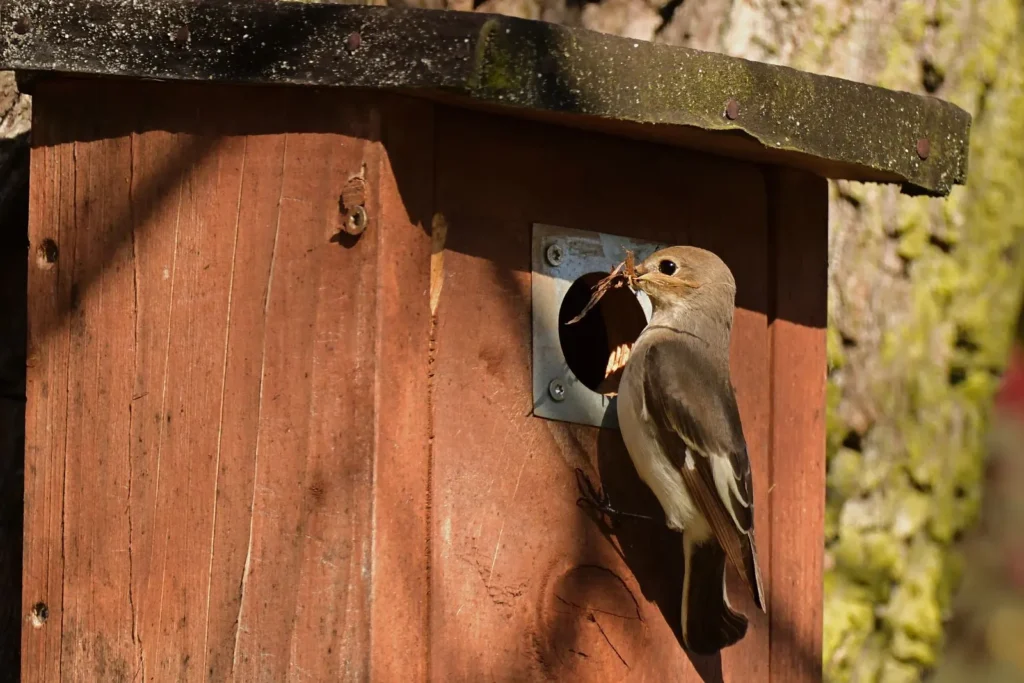
Hello, Trailhitters! This is your day, so up and away!
Snow on the ground, ice on the pond, and here I am talking about spring. But a good Trailhitter plans ahead, the way a squirrel does in the fall.
In a few months, birds will come back from the south looking for a place to raise a family. Some of them will find the rooms all taken. That’s where you come in.
None too early
Back in 1941, the teacher’s page for our broadcast began like this:
“It is none too early to paint bird houses and put them outdoors to [weather]. Birds do not like newly painted homes.”
From Houses to Rent, Afield with Ranger Mac teacher’s notes, Feb. 24, 1941
A house that hangs outdoors for a few weeks loses its new smell. By the time the tenants arrive, it smells like the woods.
Why some birds need a hand
Robins can set their nests in the crotch of a tree. Orioles hang theirs from a swaying branch. But some birds can only nest inside a hole.
“There are plenty of crotches in trees for [robins] to place their nests, and plenty of waving branches for the orioles to fasten their nests; but there are many birds that do not build their nests that way; birds that must have holes in trees, fence posts, telephone poles and the like. But there are not enough of those holes about our farms these [days].”
From Houses to Rent, Afield with Ranger Mac, Feb. 24, 1941
Old hollow trees get cut down, and fence posts made of iron have no holes to offer. A bird house is a hollow tree you can make yourself. And you don’t need to be an expert:
“When I say you can do this, I mean you – not a skilled carpenter or [mechanic], but just the ordinary bird-lover who wants to build a house for the feathered friends.”
From Houses to Rent, Afield with Ranger Mac, Feb. 24, 1941
What a bird wants in a house
Birds aren’t fussy. They want comfort and safety. Here is my checklist:
- The right door. The hole should be big enough for the bird you want, but not so big that enemies can get in.
- A tight roof. Rain should stay out.
- Air. A couple of small holes near the top let hot air out.
- No porch. A perch isn’t needed.
- Shade. Don’t point the door into the hot sun.
Who might move in? Bluebirds, wrens, chickadees, nuthatches, tree swallows and flickers are some of the birds that will use a house.
You can help in other ways, too. A shallow dish of water with a rough bottom, safe from cats, makes a fine bird bath.
Today we know
- Door size matters. An entrance about 1½ inches across fits bluebirds but keeps out starlings. An entrance about 1⅛ inches works for chickadees and house wrens.
- Some birds take over. House sparrows and European starlings were brought here from Europe. They often take nest holes from native birds like bluebirds, which is one more reason to get the door size right.
- Skip the perch and the inside paint. A perch mostly helps sparrows and predators. Leave the inside unpainted. If you paint the outside, use a light color so the house doesn’t get too hot.
- Bluebirds made a comeback, helped by people who put up nest boxes for them.
- Nesting stuff: In 1941 I suggested putting out string and yarn. Many bird experts now say to skip string, yarn and dryer lint, which can tangle birds. Leave some twigs, dry grass and leaves in a corner of the yard instead.
Your job this week
- With a grown-up, find an old bird house to clean out, or build or buy a simple wooden one.
- Check the door size against the box above, and choose which bird you hope will move in.
- Hang it now, so the weather has time to take away the new smell. Point the door away from the hot afternoon sun.
- Start a “rent book” in your scrapbook. Write down the day you put the house up and the day you see your first visitor.
- Once a bird moves in, watch from a distance. Don’t open the house or peek into the nest.
A bird house is a small thing. A family of birds singing in your yard all summer is a big one.
I’ll be seeing you on the trail.
Written in Ranger Mac’s voice by the rangermac.org team, from his radio script Houses to Rent (Feb. 24, 1941, PDF). The quoted lines are his own words; words in [brackets] were fixed where the old scan is hard to read.
Photo: Jürgen on Pexels (Pexels License).
More from Ranger Mac
Afield With Ranger Mac
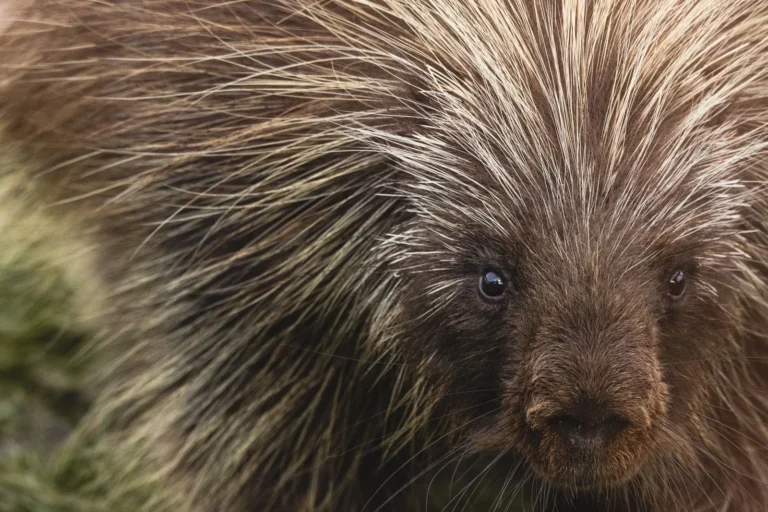
Don’t you believe it: nature’s tall tales
By Ranger Mac
Read more about Don’t you believe it: nature’s tall tales →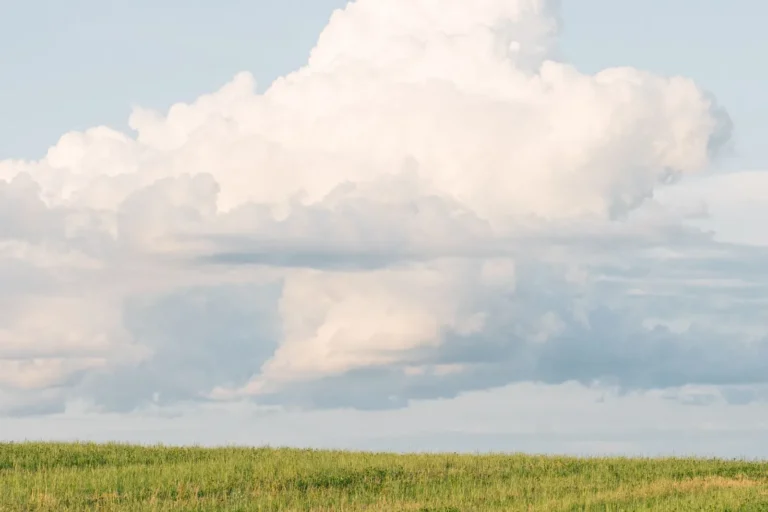
Afield With Ranger Mac
Find the pictures in the sky
By Ranger Mac
Read more about Find the pictures in the sky →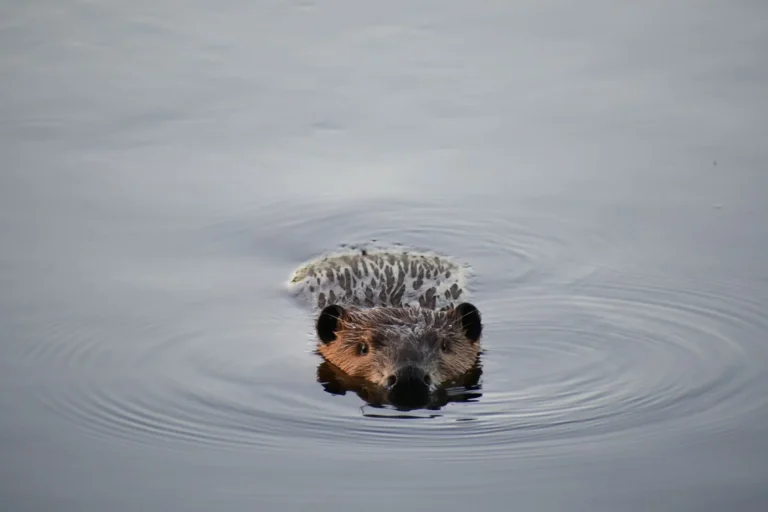
Afield With Ranger Mac
From the Archive: A Great Fur Bearer (1948)
By Ranger Mac
Read more about From the Archive: A Great Fur Bearer (1948) →Afield with Ranger Mac
Hear the original radio broadcasts
Listen to Ranger Mac on the Wisconsin School of the Air, or read his scripts and field guides.